Fox Stone Brow - Industrial Spoil or Ancient Landmark?
Fox Stone Brow - Industrial Spoil or Ancient LandmarK?
“There is certainly an indication here and there of what appears to be rude, uncoursed, circular walling…” — Ammon Wrigley, Saddleworth and Its Prehistoric Remains (1911)
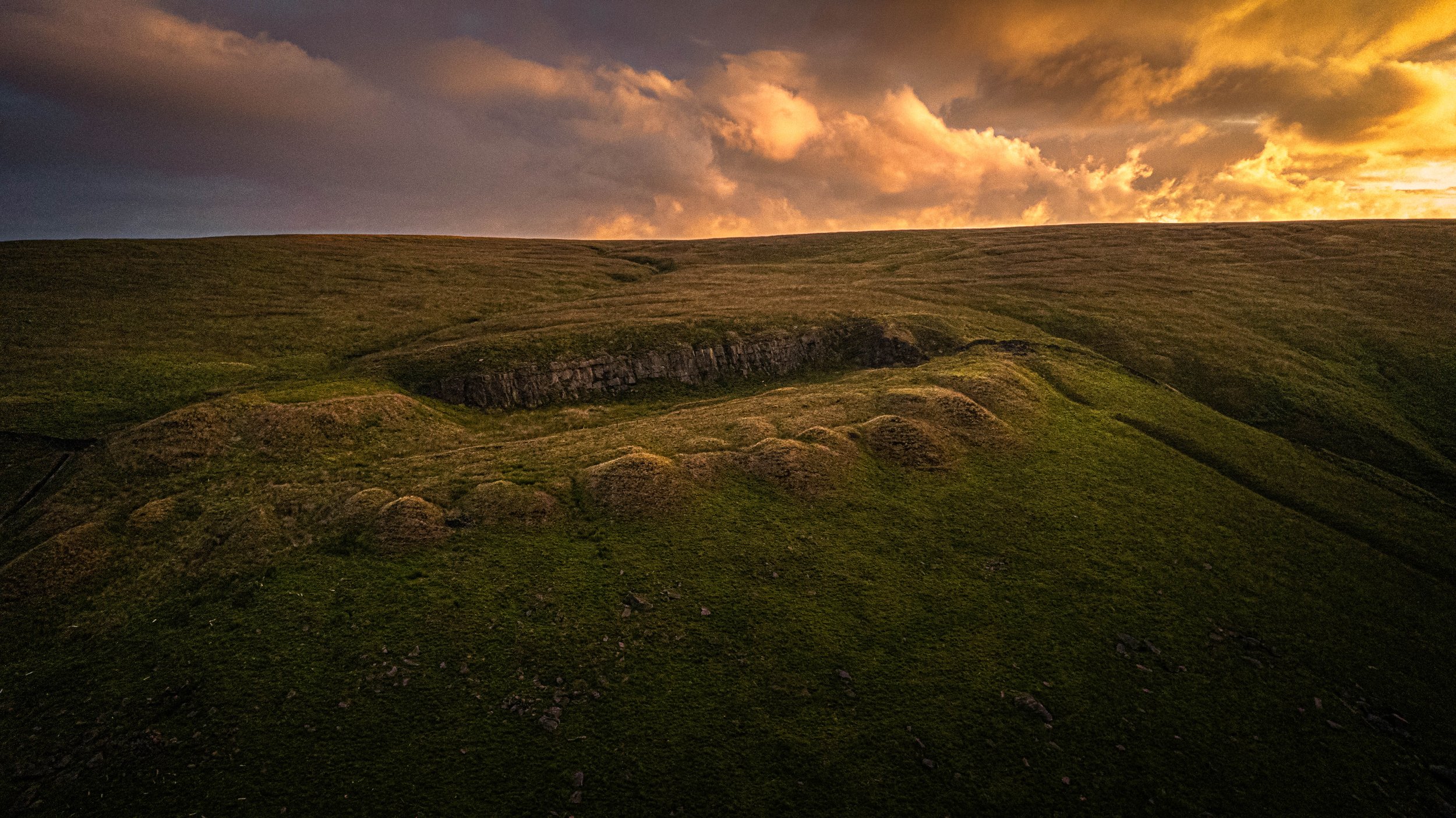
High above Castleshaw Valley, on a wind-swept ridge, six fascinating rounded mounds rise from the moor. Their origins are uncertain — Are they the remains of prehistoric dwellings? Or perhaps nothing more than the by-products of Victorian industry. The question of their identity has lingered for over a century.
A Clue in an Old Book
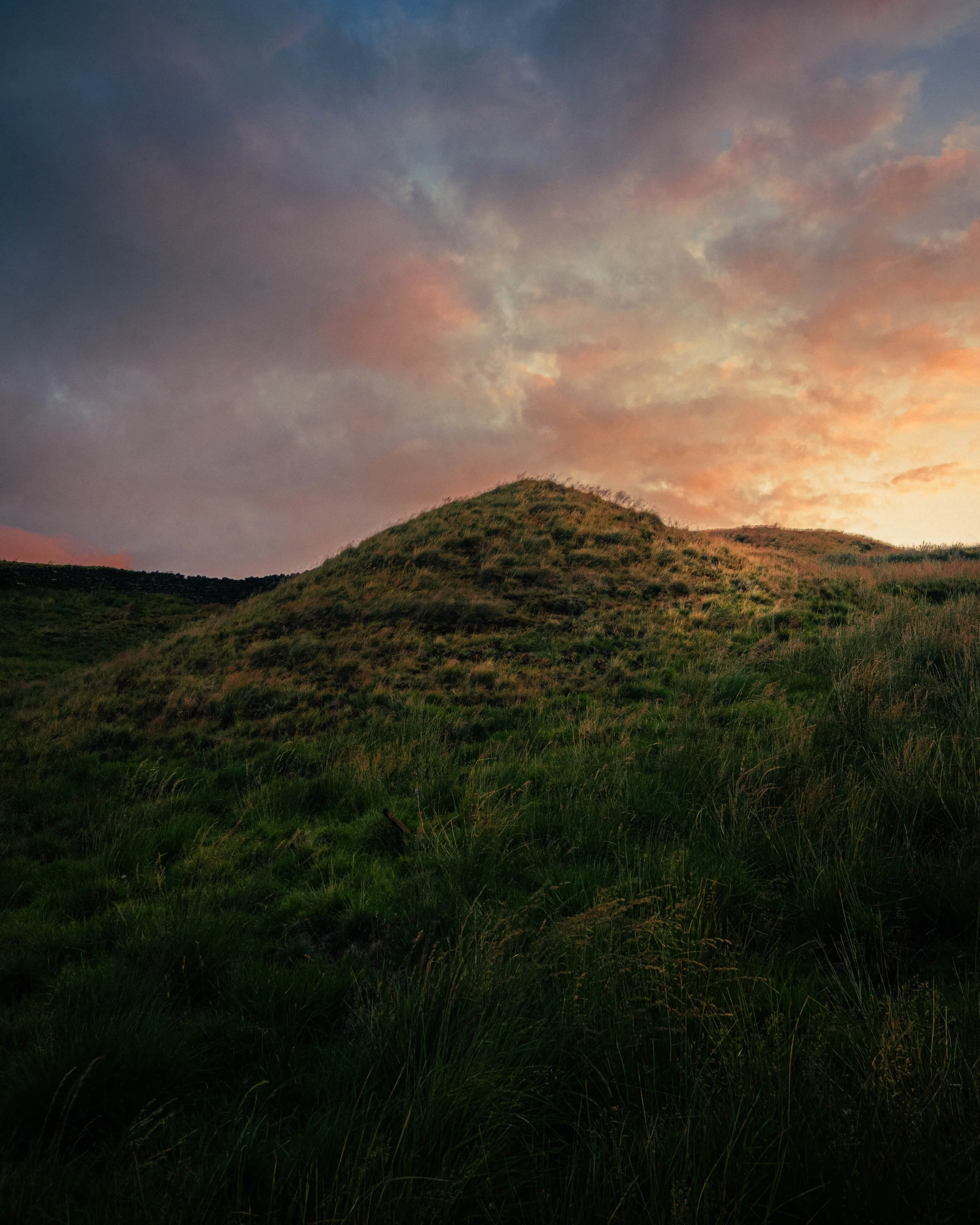
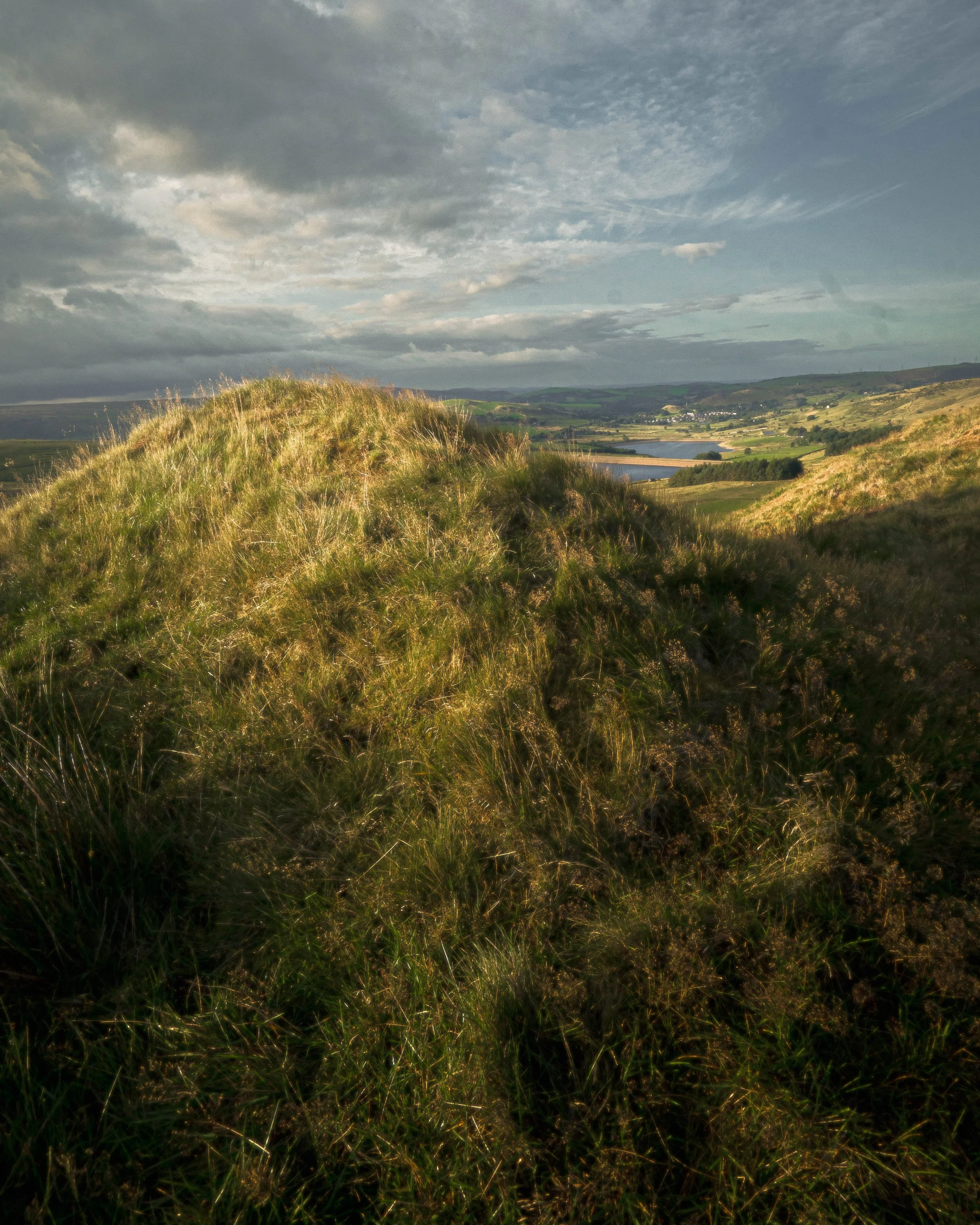
In 1911, Saddleworth poet and antiquarian Ammon Wrigley examined the site now known as Foxstone Brow. While he found no conclusive artefacts, he was left wondering whether the mounds could be ancient pit dwellings. Their location seemed promising: perched on a ridgeline, within sight of known prehistoric sites such as March Hill, Castleshaw, and Jackson’s Barrow (not found at the time). The mounds are near-perfect circles, almost identical in size, and aligned in a distinctive arc.
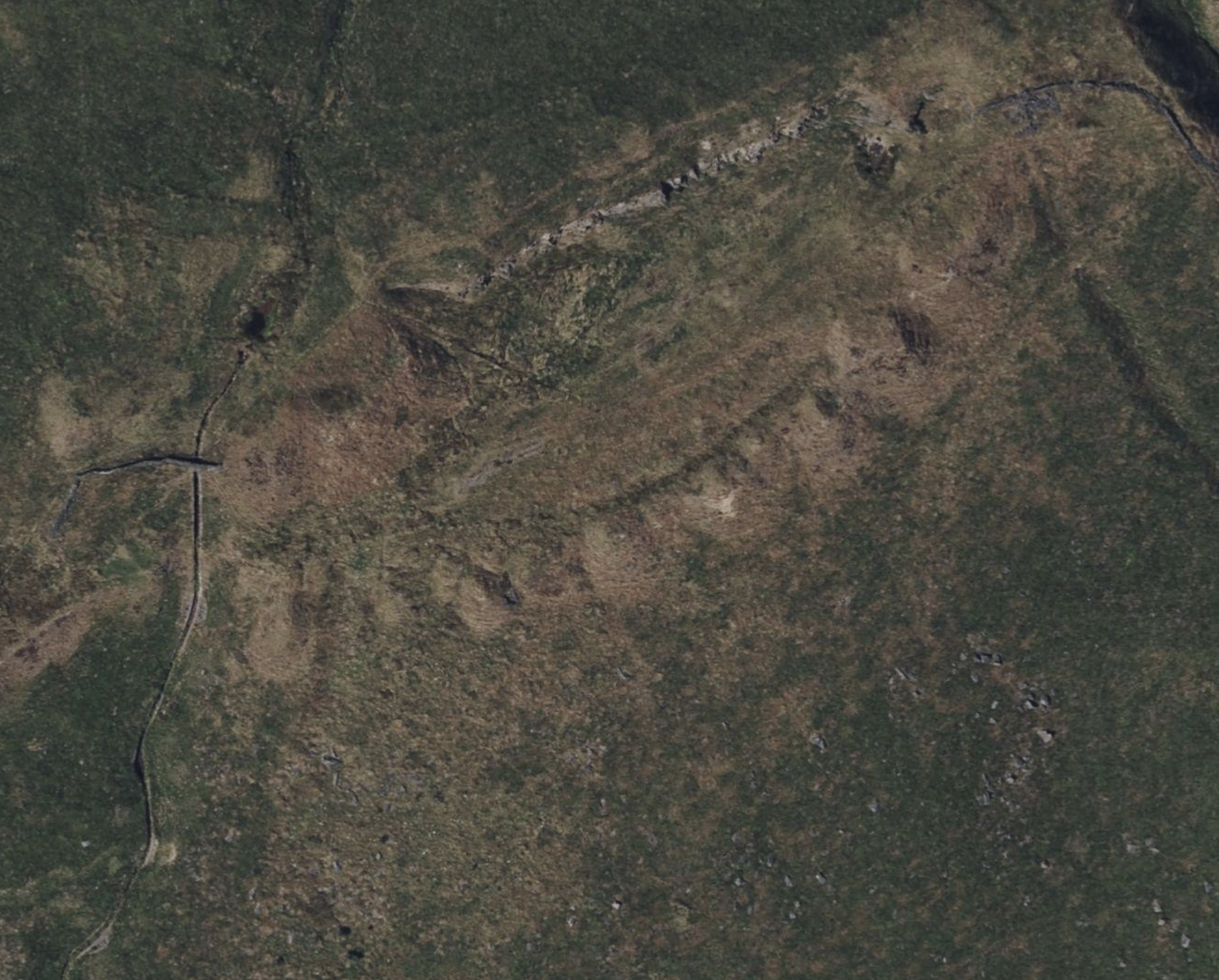
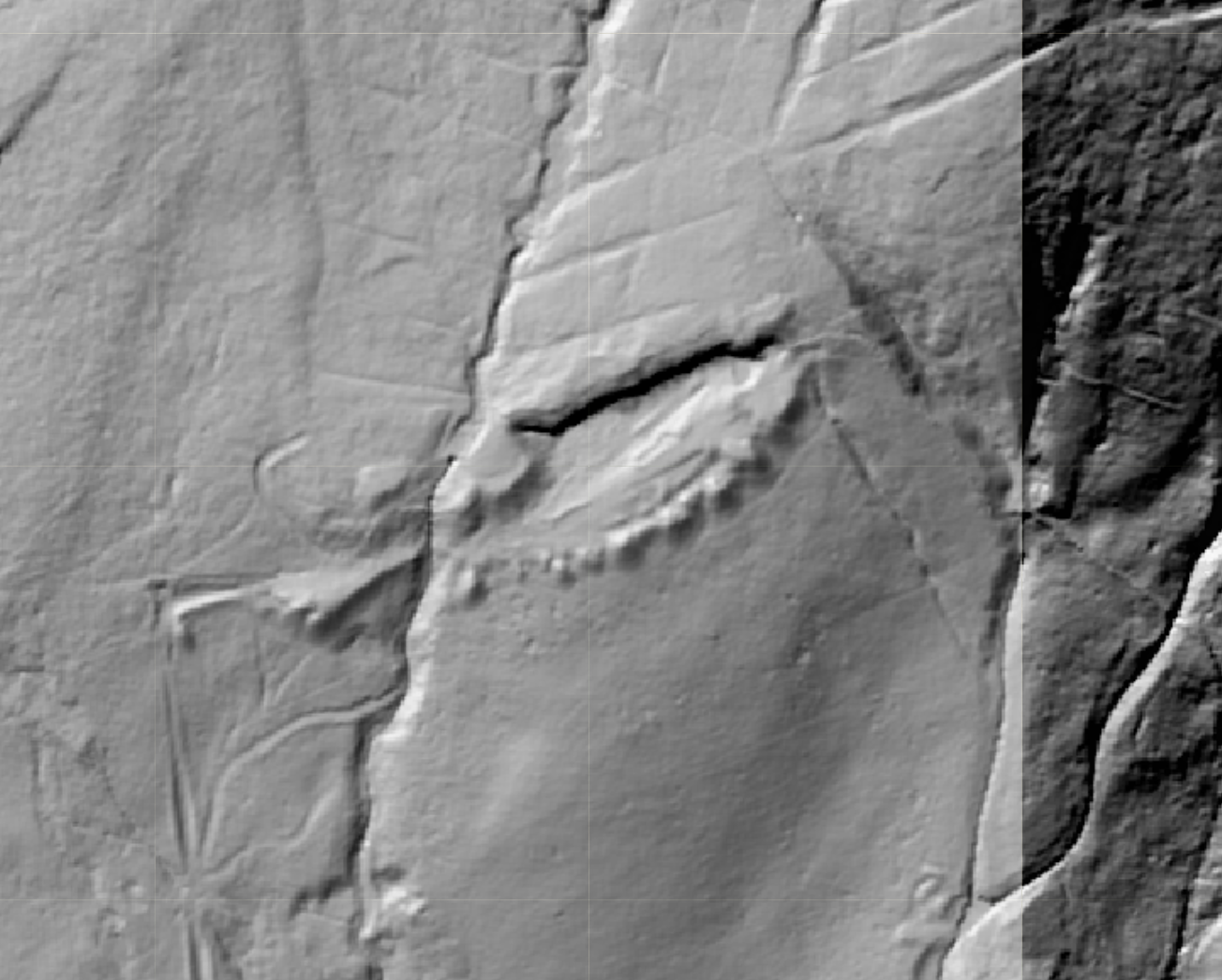
Reading Wrigley’s brief remarks, I felt compelled to see for myself. Before venturing onto the moor, I turned to modern tools: LiDAR scans confirmed the mounds’ visibility beneath vegetation, suggesting subsurface form rather than surface debris. From above, their semi-elliptical arrangement resembled the outline of an eye — perhaps the origin of the name “Foxstone Brow.”
A Pre-Dawn Ascent
Two mornings later, at 3:15 a.m., I set out through the sleeping villages of Saddleworth. The climb into Castleshaw was steady, the reservoir falling away behind me. Halfway up the slope, the shapes of the mounds began to emerge from the dark.
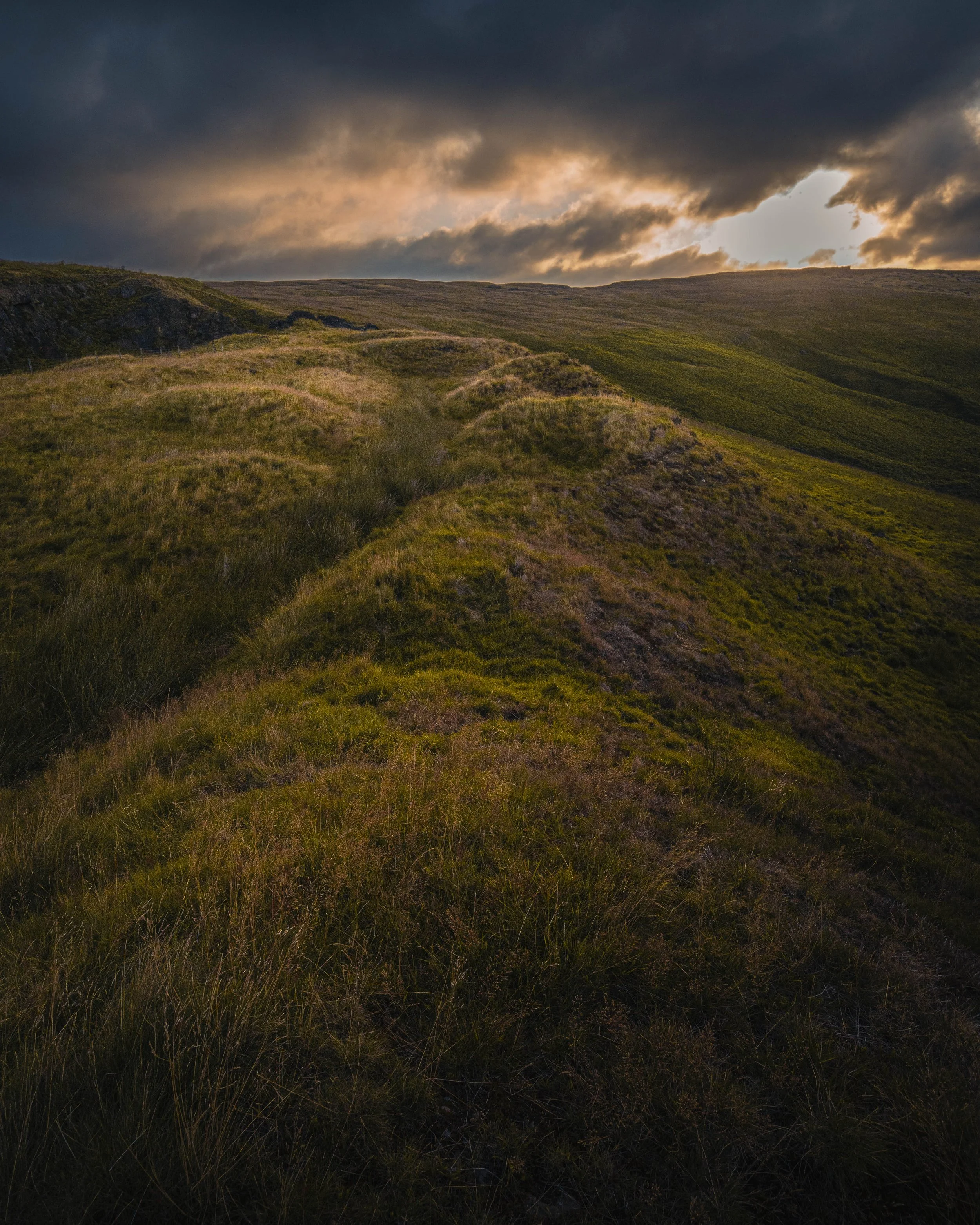
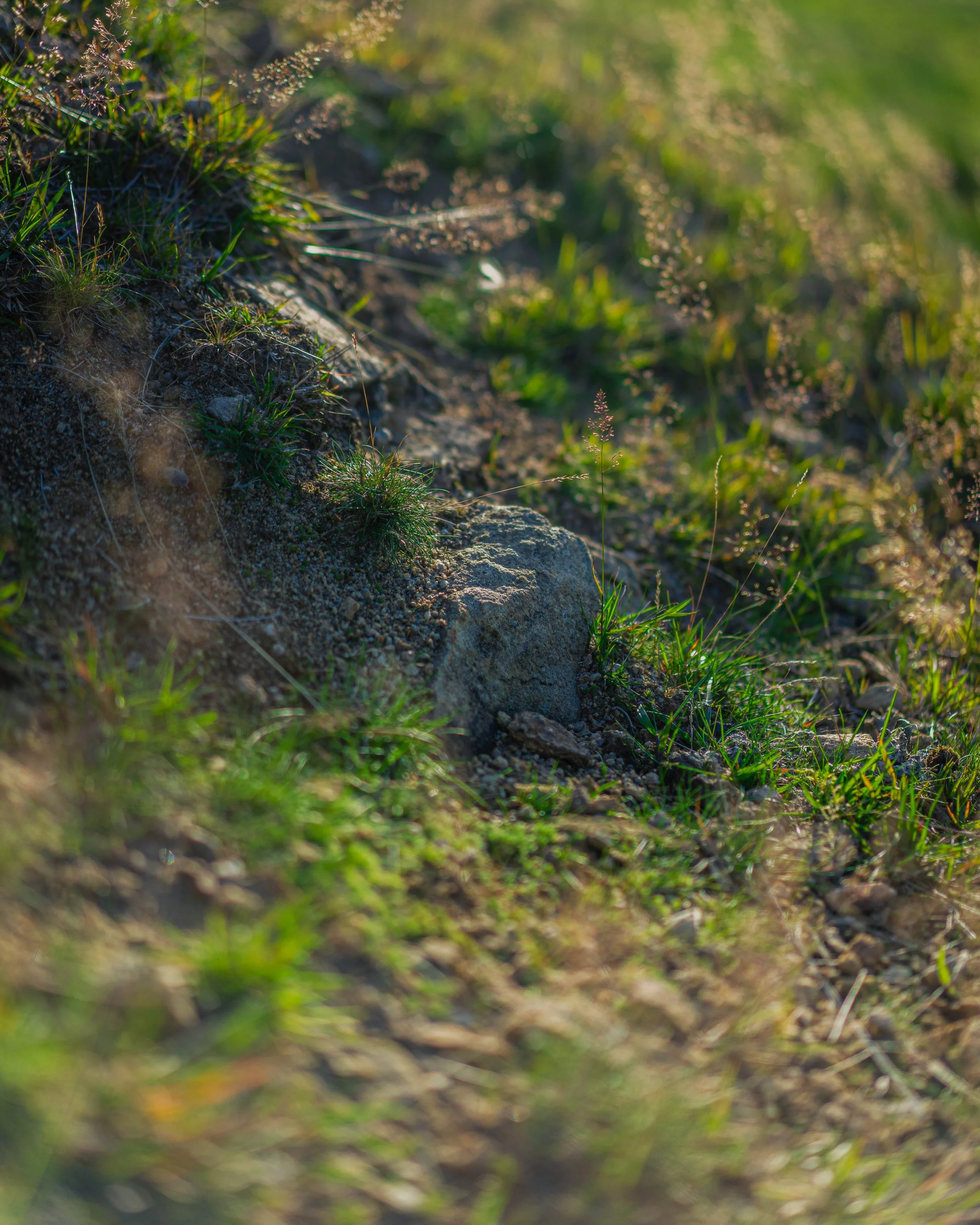
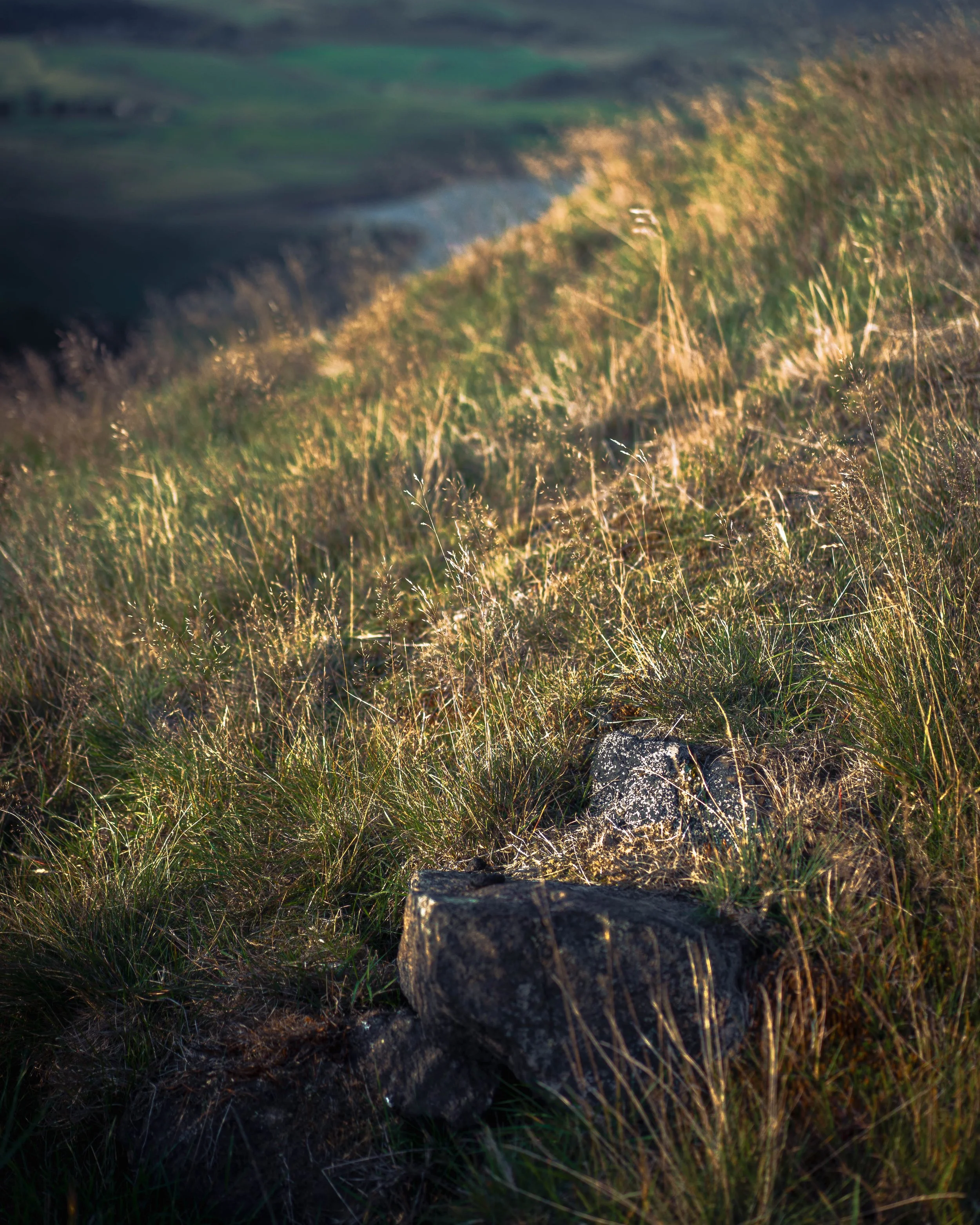
As the first light spread across the valley, the forms took definition. I sat with my journal, making hurried sketches and illegible notes. Recent moorland fires had burned back the vegetation, revealing stones embedded in the mounds. Some appeared structural — possible kerb-like rings — and there were anomalies in the vegetation: dry, sandy soil where elsewhere the ground was damp, and patches of red sphagnum moss not found nearby.
The Industrial Shadow
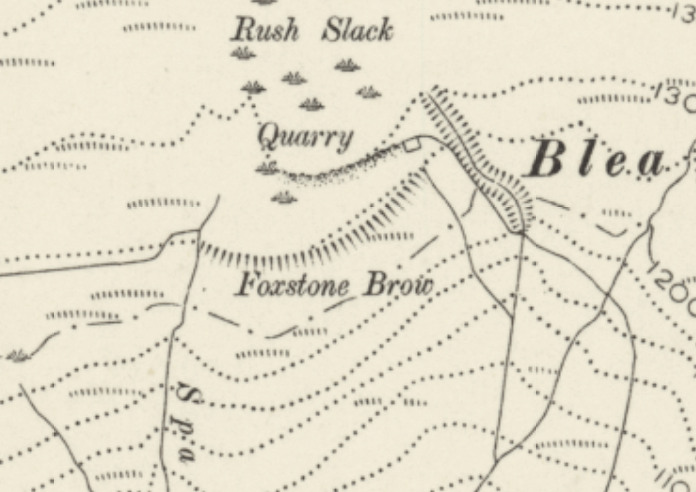
Yet another possibility loomed over the brow — a quarry. An 1881 Ordnance Survey map shows a quarry just north of the site. Could the mounds be nothing more than spoil heaps from its operation? It is tempting to think so. But spoil was usually deposited at the quarry’s edge, not carried 50 metres to a separate location.
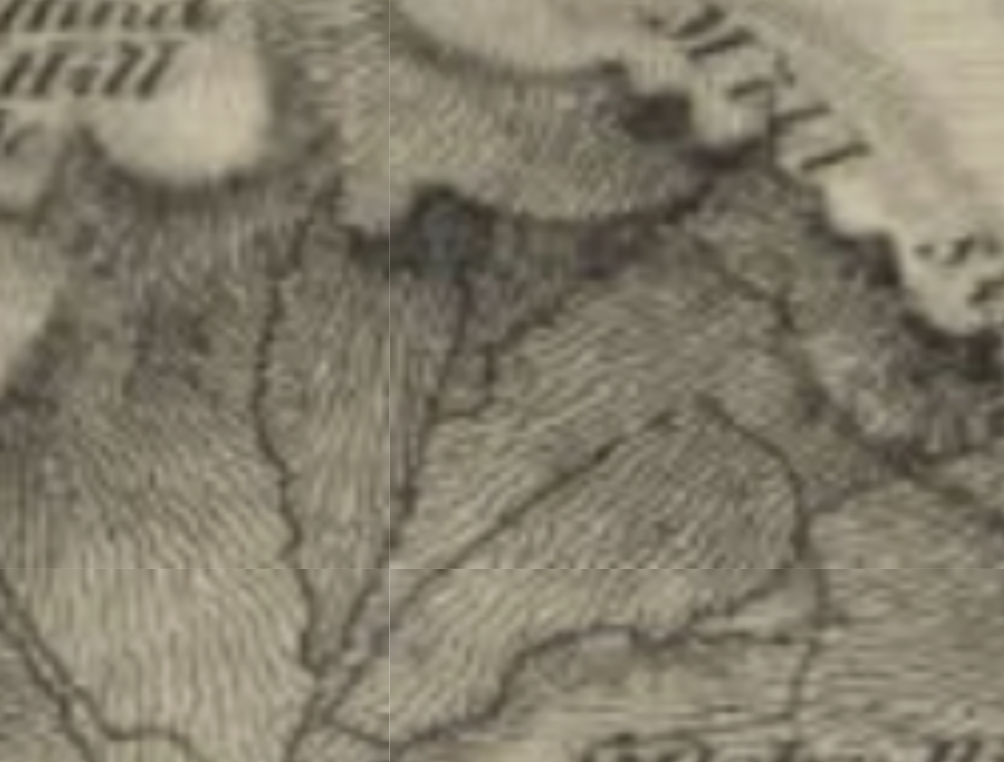
Digging deeper, I found an earlier Ordnance Survey map, dated between 1805 and 1845. Here the brow appears, but there is no quarry marked. If the quarry was cut between 1845 and 1881, then Wrigley, who spent his life in Saddleworth, would have known or at least heard about it. Quarry spoil was common in the district, and its presence was local knowledge. The fact that Wrigley considered the mounds potentially prehistoric — rather than dismissing them outright as spoil — is striking.
Evidence in the Ground
If the mounds predate the quarry, their features take on greater significance. The presence of unique vegetation hints at different soil composition, perhaps from deliberate construction. The exposed stones could be remnants of kerb structures rather than rubble. If so, these would not be the timber-and-earth pit dwellings Wrigley suspected, but possibly Bronze Age burial mounds.
An Open Question
For now, Foxstone Brow remains a puzzle — caught between industry and antiquity. Without excavation, the debate cannot be resolved. Yet the site’s position, form, and distinct ground characteristics invite further study.
Whether these mounds are the weathered remnants of a prehistoric community or the forgotten by-product of quarrying, they are part of the layered story of this valley — a story written in stone, soil, and the memory of the moor.
