Are we in danger of losing our pre-historic sites?
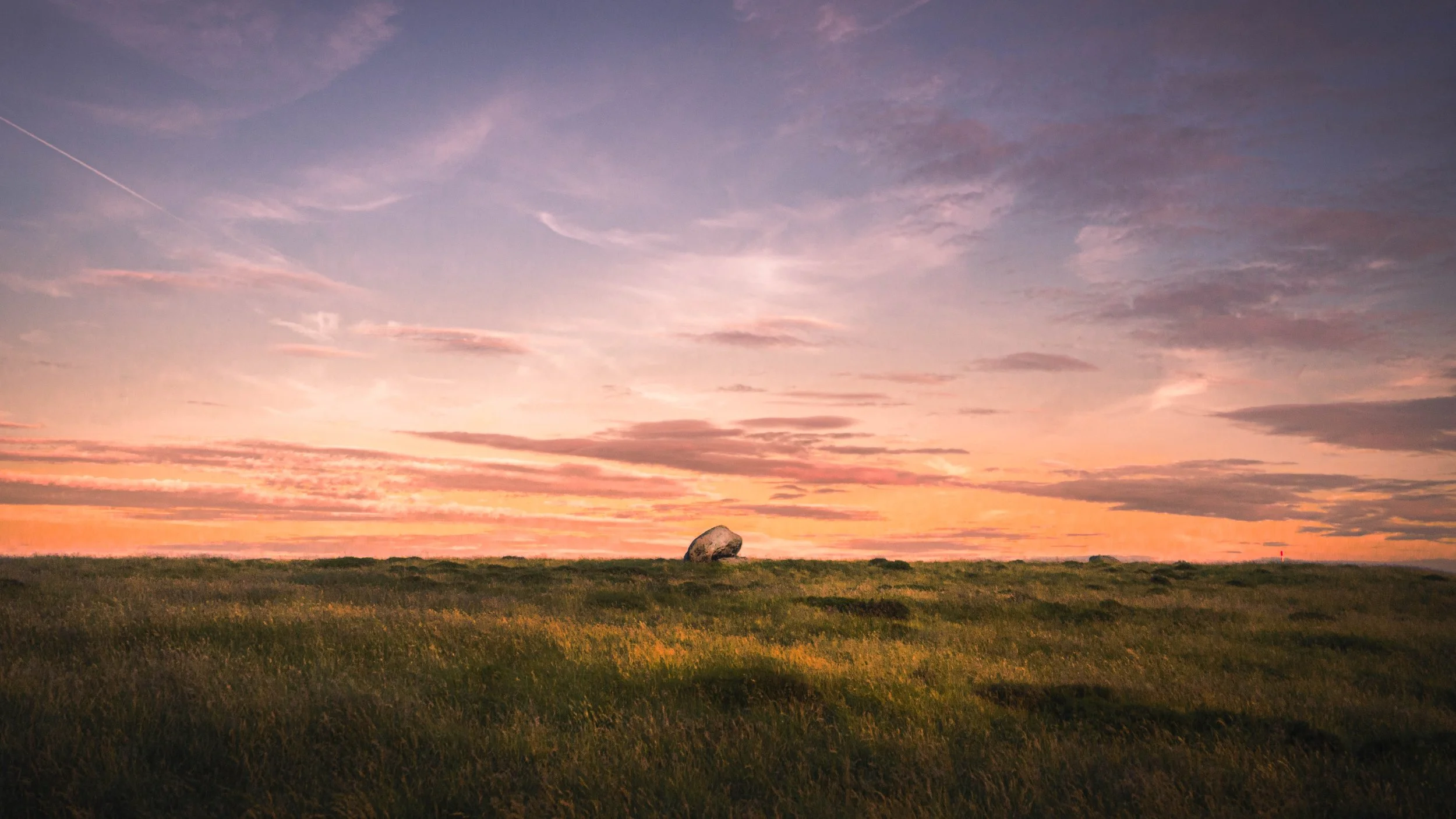
Sugarloaf Rock, Saddleworth @richardgloverlandscapes
Rising seas, flooding, drought, and temperature changes are destabilising archaeological sites across the world. Erosion and wildfires are causing irreparable damage to exposed remains. Recent statistics from UNESCO report that 1 in 6 cultural properties across the world are under threat from climate change. As the conditions of our planet change, what has survived for thousands of years is in danger of being lost, forever.
We are seeing headlines of the impact this has on our coastal regions, rising sea levels are putting many places at risk - including the historic sites of Jamestown in the USA, and Bagerhat in Bangladesh, but we are also seeing increased risk to inland areas. Drought and wildfires are drying out our wetlands and peat bogs. The inland peatlands were once waterlogged and oxygen-free are now drying, Peat fires are catastrophic, releasing centuries of stored carbon in days. A single fire in drained peatland can release as much carbon as an entire year’s worth of a city’s emissions.
The effect this is having on our environment does not need to be stated, however it also poses a significant risk to our ancient sites. It is estimated that the UK peatlands contain around 22,500 archaeological sites and are time capsules of the Neolithic and Bronze Age. They give us direct insight into how our ancestors lived, plant remains show us what they ate, trackways and tools show us what they built, and burials and monuments show us what they believed. In many cases, much of our knowledge of prehistoric Britain comes from the fact that it had been preserved by peat, but once peat has dried or burned, that record is lost forever. With 80% of UK peatlands degraded, the risk is that a significant portion of this hidden record will be lost before discovery. Globally, this makes peatland archaeology one of the most endangered archives of the Neolithic and Bronze Age.
This isn’t just the story of our ancestors, but it is also our story - and Saddleworth is no different. Saddleworth’s Moorlands are covered with blanket peat that in some cases, were formed over 9,000 years ago. We know that this was once a place that was lived in by Neolithic and Bronze Aged people, with sites such as March Hill and Castleshaw offering a glimpse into its past and any prehistoric activity here, trackways, ritual deposits, hunting tools, even burials could still lie beneath the peat.
2018 saw wildfires spread across Saddleworth - it was some of the worst fires in recent memory, causing irreparable damage to the landscape. We do not know the full effect this had on its environment and we can only guess the damage this caused on those sites still hidden.
On my mission to rediscover Saddleworth’s hidden sites, I came across one of two known burial mounds - Jackson’s Barrow, which serves as a warning to what could happen to our ancient sites if they continue to be left to the decay of time. Its stones have been robbed and repurposed over the centuries, and the mounds' remains have eroded, leaving nothing but a ditch in a field.
Whilst there is significant effort in place to restore the peatland, with its conservation even becoming a UK policy, maintaining and securing this landscape is ultimately out of our control unless drastic climate action is taken. If the moor continues to dry, burn, and erode, the chance to uncover these remains is slipping away.
We have to protect our moorlands, and rediscover our ancient sites before climate change erases them forever.
